Music unquestionably affects our emotions. we tend to listen to music that reflects our mood. when we’re happy we may listen to upbeat music; when we’re sad we may listen to slower, moving. How does music affect us? sick of feeling down? music may be able to help! the journal of positive psychology conducted a study in 2013 that discovered that individuals who listened to music that could be classified as happy and upbeat were able to improve their mood and overall happiness in just a few weeks.. throughout the study, participants were encouraged to try to improve their mood, but. 6 ways music affects your emotions 1. positive feeling. music mostly makes us feel good. positive feelings tend to broaden our mindset in ways that are 2. the startle effect. our brainstem reflexes are hardwired for quick and automatic responses to sudden, loud, noise, or 3. being in sync. our.

People express different emotions when they listen to music, for example by smiling, laughing, or crying. listening to music is quite common in our daily lives, and the way music makes listeners. How music affects the brain music is known to tap into various parts of the brain, that is why it is utilized by many experts in treating depressed or anxious patients. the prescindir, timber, rhythm and pitch of music are managed in areas of the brain that deal with emotions and mood. Music can make us feel all sorts of emotions, some of which are negative, added laurel trainor, professor of psychology, neuroscience and behavior and presidente of the mcmaster institute for music.
Music and mood healthychildren. org.
Emotional Responses To Music Hauke Egermann Tedxghent
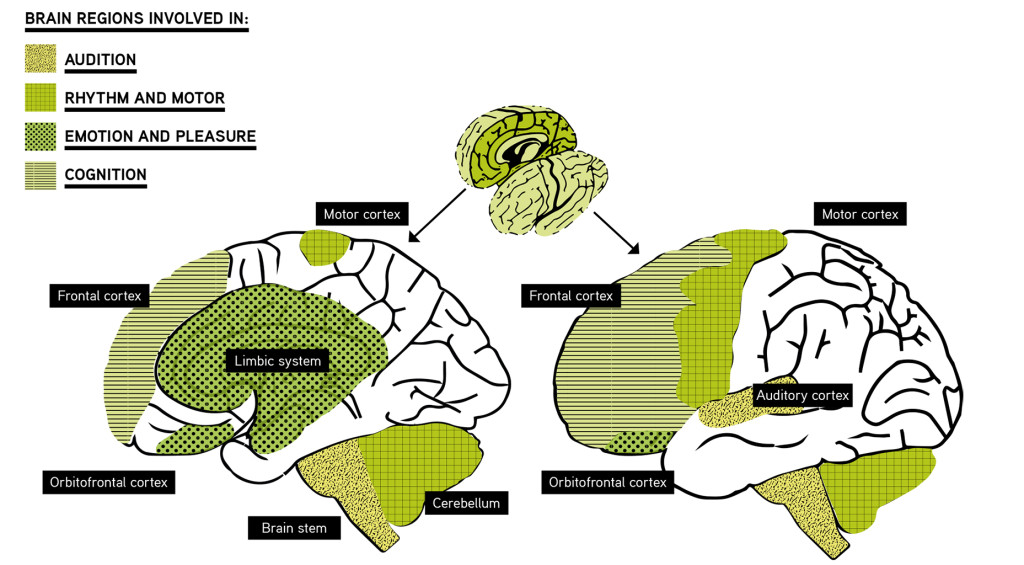
Music and mood. music’s beneficial effects on mental health have been known for thousands of years. ancient philosophers from plato to confucius and the kings of israel sang the praises of music and used it to help soothe stress. military bands use music to build confidence and courage. Controlling emotions some studies also show listening music can boost music affects emotions your memory power, learning skills, and may either lighten up or may end up spoiling your mood. the mood is the relatively long-lasting state of emotion. not only on grown adults, but music also affects the mood of infants too. According to researchers, listening to sounds such as music and noise has a significant effect on our moods and emotions because of brain dopamine regulation — a neurotransmitter strongly. The result is a fascinating picture of the role music can play in brain development, learning, mood, and even your health. dive into cognitive studies, and read on to learn exactly how music affects your brain. music, your brain, & wellbeing.
How Does Music Affects Your Mood 8 Different Ways
If you've ever listened to any kind of music, you k.o. your body can react in several different ways, such as: nodding your head tapping your feet snapping your fingers. How music affects the moodmusic has been part of human society for millennia. it has long been understood that music impacts our feelings and mood, but the reasons for that impact have not been studied until very recently. Certain sounds have an extraordinary ability to reduce negative emotions. while some rhythms are “set up” better for relaxation, any style can be used as therapy. since music affects your mood, you can use it in any situation and at any time. some may need to hear fast songs to feel better, while others feel better with slower songs.
One of the most important issues in the psychology of music is how music affects emotional experience (juslin, 2019). music has the ability to evoke powerful emotional responses such as chills and. See more videos for music affects emotions. Dr. hauke egermann is a music & emotions researcher connected to the technische universität berlin, investigating music, sound and promedio with empirical research methods. Music can make us feel all sorts of emotions, some of which are negative, added lauro trainor, professor of psychology, neuroscience and behavior and decano of the mcmaster institute for music.
Music unquestionably affects our music affects emotions emotions. we tend to listen to music that reflects our mood. when we're happy we may listen to upbeat music; when we're sad we may listen to slower, moving s. After reviewing 25 trials, the researchers concluded that music is a valid therapy to potentially reduce depression and anxiety, as well as to improve mood, self-esteem, and quality of life.
The relationship between man and music is a complex one. the ancient greco-roman culture believed music penetrated both the body and mind, bringing them into equilibrium. in contrast, europeans of the late 18 th century romantic era perceived music as a double-edged sword, capable of both curing and causing disorders (rose & bartsch, 2009). it is possible that these societies believed music. Within the factors affecting emotional expression in music, tempo is typically regarded as the most important, but a number of other factors, such as mode, loudness, and melody, also influence the emotional valence of the piece.
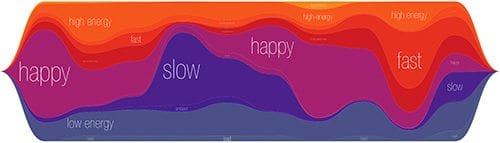
Sound, experience and emotion. according to researchers, music affects our mood in a variety of ways. but at the base of the phenomenon is rhythm and tone. when we listen to a rhythm, our heart actually begins to synch with it. a slow heartbeat with a strong diastolic pressure tells our brain music affects emotions that something sad or depressing is occurring. The study of 'music and emotion' seeks to understand the psychological relationship between human affect and music. it is a branch of music psychology with numerous areas of study, including the nature of emotional reactions to music, how characteristics of the listener may determine which emotions are felt, and which components of a musical composition or performance may elicit certain reactions.
Everyone has a different soundtrack to their life; one person's break-up song may be another person's party song. Music is a common phenomenon that crosses all borders of music affects emotions nationality, race, and culture. a tool for arousing emotions and feelings, music is far more powerful than language. Music, emotion, and well-being 1. musical pleasure. the enjoyment of music appears to involve the same pleasure center in the brain as other forms of 2. musical anticipation. music can be experienced as pleasurable both when it fulfills and violates expectations. the 3. refined emotions. there.
How music affects film 17 youtube.
Does music affect your mood? new research shows that even sad music can lift your mood, while other studies suggest music can boost happiness and reduce anxiety. from the drumbeats of our ancient. After all, music relaxes you, takes away your troubles, makes you dance, and encourages you to sing at the top of your lungs. it tells a music affects emotions story and allows you to forget the past. we need music more than we think. after all, music can change your mood in an instant and make a gray day explode with color. how music affects your mood. Music can also have more fine-grained effects on purchasing behavior and influence decision-making regarding products other than music. in a relatively unknown and somewhat concerning study for the free-willed person (5), playing characteristically french music in a wine shop increased sales for wines originating from france and or characteristically german music increased sales of wines from. Music is a common phenomenon that crosses all borders of nationality, race, and culture. a tool for arousing emotions and feelings, music is far more powerful than language. an increased interest.
Komentar
Posting Komentar